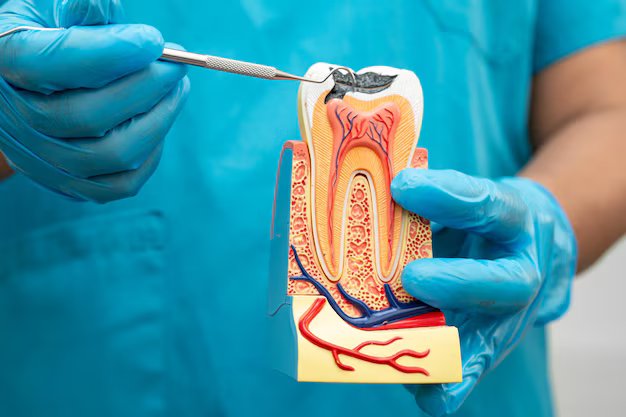
A root canal can help save a natural tooth when the pulp becomes infected, inflamed, or severely damaged. Instead of removing the tooth, treatment removes the affected tissue, cleans the inside of the tooth, and restores it for continued function.
Timely treatment can help relieve tooth pain, control infection, protect surrounding teeth, and maintain your natural smile. Our approach focuses on accurate diagnosis, comfortable treatment, and appropriate restoration.
Root Canal Care Plan.
- Comprehensive dental examination
- Digital dental X-rays
- Assessment of infection and tooth damage
- Local anesthesia for comfortable treatment
- Removal of infected or damaged pulp
- Cleaning and shaping of root canals
- Disinfection and sealing of the canals
Key Benefits.
With modern techniques and local anesthesia, root canal treatment is generally performed comfortably. Some tenderness may occur after treatment as the surrounding tissues recover.
The treatment time depends on the tooth and the extent of infection. Many cases can be completed in one or two appointments.
A crown may be recommended depending on the tooth's condition and remaining structure. It can provide additional protection and help restore normal chewing function.
With proper treatment, a suitable final restoration, good oral hygiene, and regular dental checkups, a treated tooth can remain functional for many years.
When a tooth can be successfully restored, preserving the natural tooth is often preferred over extraction. Your dentist will evaluate the tooth and discuss the most appropriate treatment option.


