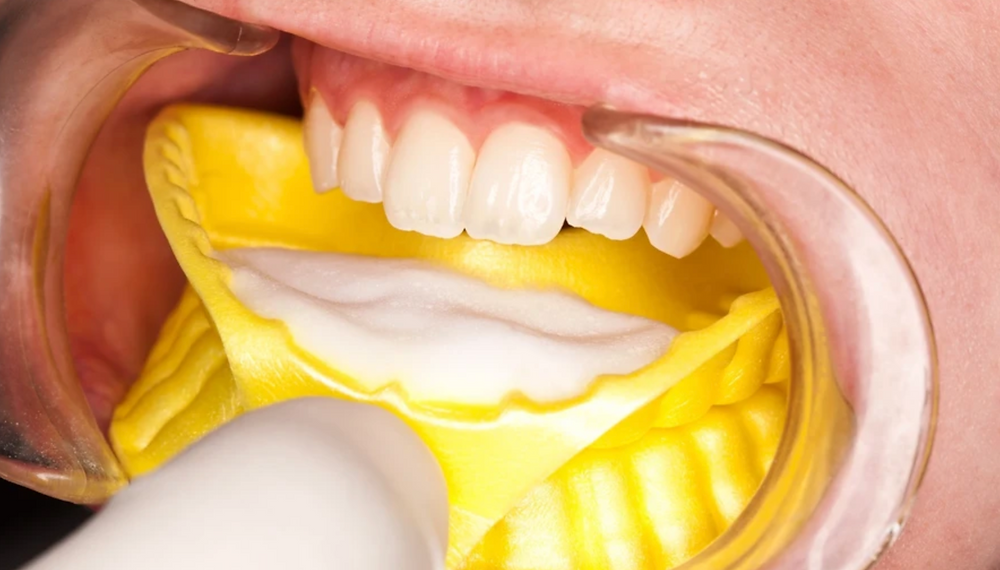
Fluoride Treatment is a simple preventive dental procedure that helps strengthen tooth enamel and reduce the risk of cavities. Fluoride is a naturally occurring mineral that supports enamel protection and can help repair the early effects of mineral loss caused by acids and bacteria.
Fluoride treatment can be particularly beneficial for children and adults who are at increased risk of tooth decay, including individuals with weakened enamel, dry mouth, frequent cavities, or certain dietary and oral-health factors. At Krystal Dental Care, fluoride treatment is provided after assessing your individual dental needs.
Benefits
- Strengthens enamel against tooth decay.
- Quick and comfortable application.
- Suitable for children, teens, and adults when recommended.
- Helps protect teeth from cavity-causing acids.
Benefits
Fluoride Treatment is a preventive dental procedure in which a concentrated fluoride product, such as varnish, gel, or foam, is professionally applied to the teeth. It helps strengthen enamel and reduce the risk of tooth decay.
Fluoride supports the remineralization of weakened enamel and makes teeth more resistant to acid attacks caused by plaque and oral bacteria. This can help reduce the development and progression of cavities.
Children, teenagers, and adults may benefit from fluoride treatment, particularly those who have a higher risk of cavities, weakened enamel, dry mouth, frequent dental decay, or other risk factors identified during a dental examination.
Yes. Professional fluoride treatment is generally considered safe when the appropriate amount is applied by a dental professional. Your dentist will recommend the type and frequency of treatment based on your dental needs.
Fluoride treatment is generally well tolerated. Some patients may experience a temporary unusual taste or minor sensitivity depending on the type of treatment. Your dentist will provide any necessary aftercare instructions.
The recommended frequency depends on your cavity risk, age, oral health, and individual needs. Some patients may benefit from treatment during routine dental visits, while those at higher risk may require more frequent applications.


